
The framework follows months of negotiations and political exchanges, with both sides presenting it as a reset in trade relations.
Under the arrangement, the United States will reduce duties on a range of Indian exports, while India has agreed to cut or remove tariffs on select American food and agricultural products.
The agreement also includes commitments to address non-tariff barriers, improve regulatory coordination and continue talks on sensitive market access issues.
While some imported foods are expected to become cheaper for Indian consumers, New Delhi has ring-fenced its most politically and economically sensitive farm sectors.
Sectors that remain fully protected
India has made it clear that no tariff concessions have been offered on staple crops and key farm segments that are central to rural livelihoods.
Staple grains and cereals such as wheat, rice, maize, millets, barley and oats remain entirely outside the scope of the deal.
Dairy products, including milk, cheese, butter, ghee, yoghurt and whey, have also been excluded, preserving long-standing protections for the domestic dairy industry.
Poultry, meat and key vegetables continue to face unchanged import duties. Pulses commonly grown by small farmers are also fully protected.
These exclusions underscore the government’s stance that the interim deal will not disrupt domestic food supply chains or farmer incomes.
What is likely to get cheaper?
While core farm sectors are shielded, India has opened limited access for specific US-origin products.
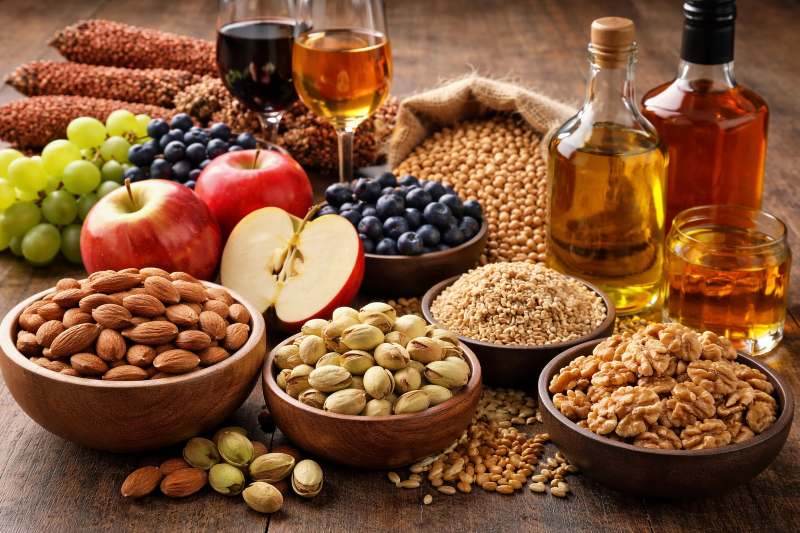
Animal feed ingredients, including dried distillers grains (DDGS) and red sorghum, will see tariff cuts. This could lower input costs for livestock and poultry feed manufacturers.
Tree nuts such as almonds, pistachios and walnuts will be subject to reduced duties, potentially easing prices for consumers and food processors.
Fresh and processed fruits imported from the US will also see tariff reductions. Certain items, including apples, will be governed by quota limits and minimum import prices to protect domestic growers.
Soybean oil from the United States will face lower tariffs under agreed caps, a notable move given India’s heavy dependence on edible oil imports.
Wine and spirits of American origin will become cheaper as duties are reduced, though minimum import price rules will continue to apply. The changes are expected to benefit hotels, restaurants and beverage retailers.
Bigger picture
Officials on both sides have described the interim framework as a stepping stone toward a comprehensive trade agreement. Talks will continue on unresolved issues, including wider tariff reductions, regulatory alignment and market access in sensitive sectors.
For India, the deal seeks to balance trade liberalisation with strong safeguards for farmers, while for the US it opens incremental access to one of the world’s fastest-growing consumer markets.