
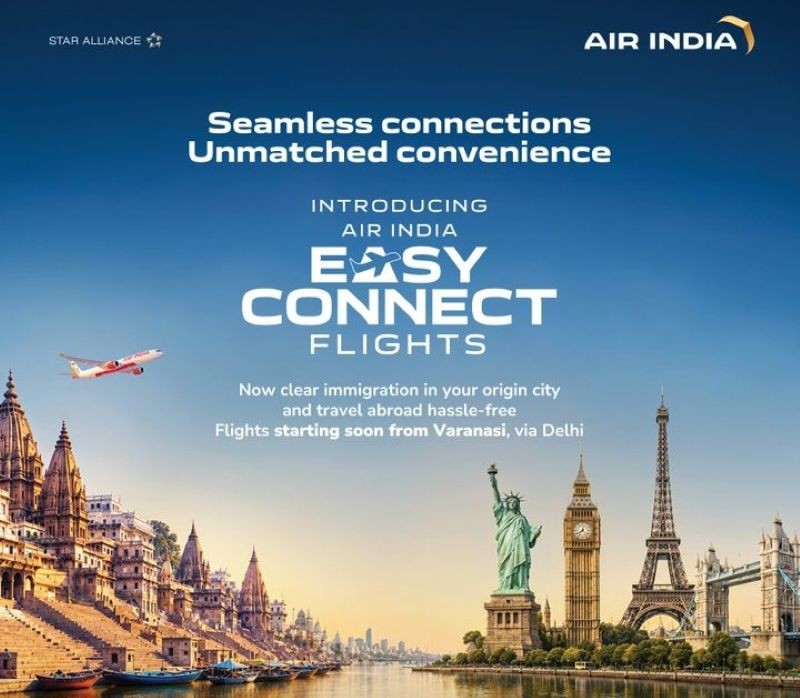
The initiative is part of the government's broader vision to transform India into a global aviation hub while providing seamless international connectivity to passengers from Tier-II and Tier-III cities.
The Hub-and-Spoke strategy aims to establish India as the preferred aviation hub for Indian travellers by 2030 and a major global aviation hub by 2047. Beyond improving air travel, the initiative is expected to boost trade, tourism, investment and regional economic development.
According to studies conducted by the Ministry of Civil Aviation, the development of aviation hubs could generate around 400,000 direct and indirect jobs and contribute an additional USD 30 billion to India's GDP by 2030.
By 2047, the cumulative economic impact is projected to support nearly 16 million direct and indirect jobs while contributing approximately USD 1.4 trillion to the Indian economy.
Speaking at the launch, Civil Aviation Minister Ram Mohan Naidu said: "Today we take a major step forward towards realising our vision of making air travel more accessible and building a future-ready, self-reliant Indian aviation industry that is efficient, inclusive and globally competitive."
Highlighting the significance of the new model, the minister added: "Our new Hub-and-Spoke model paves the way for a monumental shift in how our citizens travel. Regardless of which city one lives in, passengers can now begin their international journey from their home city and travel across the globe with ease and confidence on India's own wings."
Blessed to be in Kashi for the launch of India’s Hub & Spoke model. A meaningful step towards making air travel simpler and more seamless for millions of passengers.
— Ram Mohan Naidu Kinjarapu (@RamMNK) June 26, 2026
Har Har Mahadev! 🙏 pic.twitter.com/9bVDm3vVHR
To commemorate the launch, the minister presented special boarding passes to the first passengers checking in for the inaugural 'Easy Connect' flight.
How the Hub-and-Spoke model works
Under the new system, international passengers complete check-in, immigration and customs formalities at the originating spoke airport, making it the official point of departure for their overseas journey.
For example, passengers travelling from Varanasi complete all departure formalities at Varanasi before boarding a domestic flight to a designated hub airport, such as Delhi, from where they seamlessly connect to their international flight without undergoing immigration or customs procedures again.
To maintain security and operational efficiency, both the domestic and international segments are treated as international operations. Separate boarding passes marked with appropriate identifiers are issued for domestic and international passengers to prevent passenger intermixing. Additionally, international passengers travelling under the Hub-and-Spoke framework do not have access to customs declaration facilities at the hub airport.
From your home city to the world, now made easier.
— Air India (@airindia) June 9, 2026
Introducing Air India Easy Connect flights - a new way to travel internationally that allows guests to complete check-in and immigration at their origin airport and enjoy a seamless onward connection through Delhi.
Commencing… pic.twitter.com/4fWGGvaoK0
The launch of the first Hub-and-Spoke international operation from Varanasi marks a major advancement in India's aviation ecosystem and underscores the government's commitment to expanding inclusive, efficient and globally competitive air connectivity across the country.