
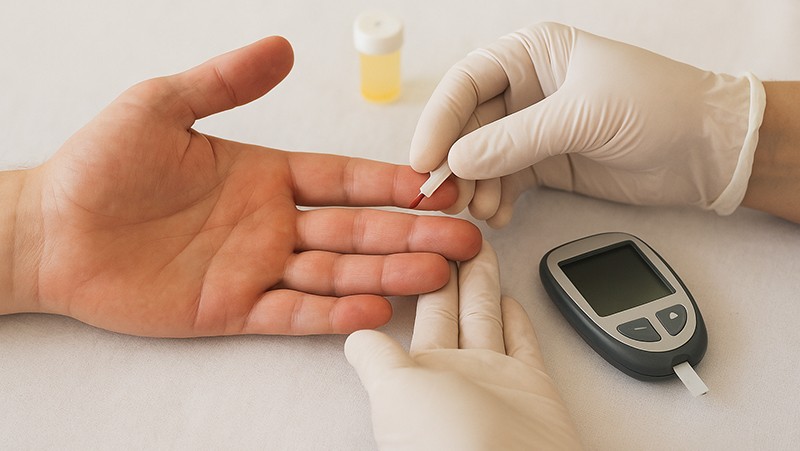
Why Fasting Blood Sugar Still Matters
When you have not eaten for a stretch, your body relies on stored energy, and your hormones balance blood sugar in the background. Testing in that state reveals how well this system is working. Many centres across the country use the Fasting Blood Glucose test in this first-line role because it captures a calm, baseline picture rather than a post-meal spike. Reputable laboratories, including Lupin Diagnostics, follow established quality steps so that the number on your report reflects the sample in your vein and not avoidable interference.
Who May Consider an FBS Test?
You may find this check helpful if any of the following sound familiar:
- A family history of diabetes
- A daily routine with little physical activity
- Changes in weight or constant tiredness
- Thirst or frequent urination that seems unusual
- A clinician has asked for screening during a health check or an insurance assessment
The list above is a guide. Only a qualified professional can bring your story and your results together to make a diagnosis.
How the FBS Test is Processed: From Sample to Report
After registration, a phlebotomist draws a small sample from a vein in your arm. That tube is labelled, tracked, and sent to the analyser. Modern instruments measure glucose with built-in checks that flag anything odd, such as a sample that has not been processed in a timely manner. Laboratories issue a report that shows your result with a reference range and any relevant notes.
Preparation on the Evening Before the Test
Pointers:
- Follow your fasting window as advised by your clinician
- Keep to plain water unless told otherwise
- Avoid late-night snacking and sugary drinks
- Skip vigorous exercise in the hours before the draw
- Carry a list of regular medicines and supplements
On the Day
Pointers:
- Reach a little early to settle your nerves
- Let the team know about any recent illness or stress
- Mention if you felt faint during past blood draws
- Eat a balanced meal after the sample is taken, and you are advised that it is safe to do so.
Making Sense of Your Report
When the report arrives, look for three items:
- Your glucose value
- The printed reference range
- Any laboratory comments about sample quality or follow-up
Results often fall into normal, borderline, or elevated bands. Your clinician may ask for a repeat FBS test, an HbA1c, or a glucose tolerance study to see the wider pattern.
Everyday Factors that Can Nudge the Value
Glucose is responsive, and small details can move the needle. Keep these in mind:
- A meal or sweet beverage too close to the fasting window
- Intense exercise right before the draw
- Poor sleep, work stress, or an active infection
- Certain medicines that influence glucose handling
- Dehydration, which concentrates the sample
If any of these apply, make a note. A calm repeat often brings clarity.
How the FBS Test Fits With Other Checks
The FBS test offers a snapshot after fasting. HbA1c summarises your average over a more prolonged period, while a tolerance test shows how your body deals with a measured sugar load. Clinicians choose from these tools based on your history, your symptoms, and how the results line up over time. The aim is not to label you after one sample, but to build a reliable picture before any decision.
Convenience and Access in the Digital Era
Many people prefer home collection or a quick slot near their workplace. If you plan to book an FBS test online, choose a service that confirms identity, shares clear preparation advice, and provides secure access to your report. The digital journey at Lupin Diagnostics is designed around these basics, keeping the process smooth while the science stays rigorous.
Clarity on Costs
Transparent information helps you plan your healthcare spend and avoid surprises at the counter. When you ask about the FBS test price, also check what the figure includes, such as home collection, sample handling, and the final report. Centres like Lupin Diagnostics publish details through official channels so you can make an informed choice before you schedule the test.
Practical Tips From the Clinic Floor
Over time, people share what made their experience easier. A few simple habits stand out:
- Set a reminder the evening before so you remember to fast.
- Wear clothing that allows easy access to the elbow.
- If you feel anxious, practice steady breathing while you wait.
- Bring previous reports so your clinician can see trends rather than one-off numbers.
Questions People Often Ask
Can I drink water while fasting?
Plain water is usually fine unless your clinician says otherwise. Tea, coffee, and sweetened drinks can affect the result.
What if my reading sits on the border?
Borderline values are shared. Your clinician may suggest a repeat or a different test to confirm the story before any conclusion is drawn.
How soon does the report arrive?
Turnaround depends on logistics and quality checks. Laboratories with robust systems, such as Lupin Diagnostics, prioritise timely reporting without cutting corners.
Responsible Interpretation
A single reading can be shaped by sleep, stress, or a seasonal illness. Share the result with your clinician, discuss your routine, and agree on the next step. Guidance in this article is for general awareness only and is not medical advice. It does not assure or confirm any diagnosis on behalf of Lupin Diagnostics or any other provider.
Final Thoughts
The FBS test is a reliable first look at fasting glucose. Prepare well, arrive calm, and view the report as one part of your broader health picture. Use the result to begin a measured discussion with your clinician about any follow-up tests and the long-term habits that support steady glucose control. With sound preparation and careful interpretation, this simple check can offer timely insight and help you stay a step ahead.
Disclaimer: This article is for general information. Laboratories, including Lupin Diagnostics, provide test measurements and reference ranges. They do not confirm diagnoses or offer treatment advice. Always review your results with your doctor.