
In a significant move aimed at strengthening Tripura's public healthcare system, particularly at Agartala Government Medical College (AGMC) and Govind Ballabh Pant (GBP) Hospital, the state Cabinet on Tuesday approved a proposal prohibiting doctors and faculty members of the institutions from engaging in private medical practice.
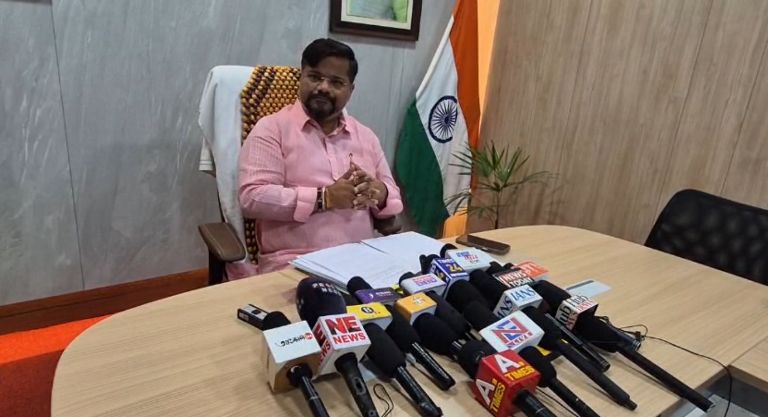
Briefing the media on the Cabinet decisions, Transport and Tourism Minister Sushanta Chowdhury said that doctors posted at the state's premier referral hospital will no longer be permitted to run private clinics or offer private consultations outside their official duties. To compensate for the restriction, the Cabinet has approved an additional incentive equivalent to 20 percent of the doctors' basic salary.
Chowdhury said the policy is intended to ensure that senior specialists and experienced physicians devote their full professional attention to government hospitals, thereby improving patient care, reducing waiting times, and enhancing the overall quality of healthcare services available to the public.
The Cabinet also made it clear that doctors unwilling to accept the new policy may opt to resign from government service. The government believes that a dedicated full-time medical workforce is essential for strengthening the state's healthcare infrastructure and ensuring better treatment facilities for citizens.
In another key decision, the Cabinet approved the recruitment of 186 Junior Multi-Tasking Operators (MTOs) in the Health Department. The recruitment is expected to address manpower shortages and strengthen administrative and support services in government hospitals and healthcare institutions across the state.
The decision has sparked widespread discussion among medical professionals and the public. Supporters have welcomed the move, arguing that government-employed doctors should devote their full attention to public service and that patients visiting government hospitals deserve access to senior specialists during official working hours. Many have described the policy as a bold and long-awaited reform in Tripura's healthcare sector.
However, the decision has also raised concerns among some sections. Observers fear that a number of experienced doctors may choose to leave government service in favour of more lucrative opportunities in the private sector. Others have questioned whether Tripura's existing doctor-patient ratio is adequate to sustain the transition without affecting healthcare delivery.
Healthcare experts believe the success of the initiative will depend on effective implementation, strict monitoring, and the government's ability to retain skilled medical professionals while continuing to expand healthcare manpower.
The Cabinet's decision marks one of the most significant reforms in Tripura's public healthcare sector in recent years and is expected to have far-reaching implications for both healthcare providers and patients across the state.