
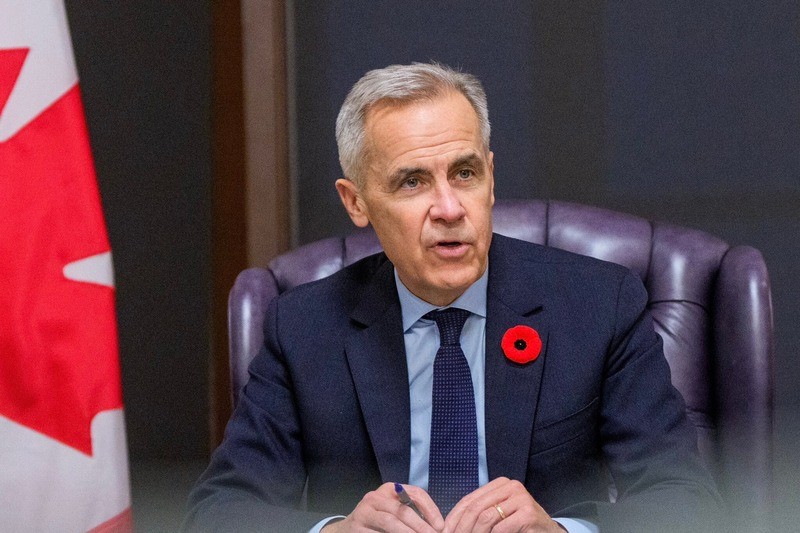
The plan, titled A Force of Nature, says it would strengthen environmental protection while supporting economic growth in a changing global climate, as the government seeks to meet its target of conserving 30% of lands and waters by 2030.
The strategy includes funding for new national parks, marine protected areas and Indigenous-led conservation programmes, with officials saying it could safeguard up to 1.6 million square kilometres of land and 700,000 square kilometres of ocean over the next four years.
Canada currently protects about 14% of its land and just over 15% of its marine areas, according to government data, and has committed alongside nearly 200 countries at the United Nations Biodiversity Conference to increase that figure to 30% by the end of the decade.
Environment Minister Julie Dabrusin said the plan would expand conservation efforts while integrating environmental considerations into infrastructure and industrial development.
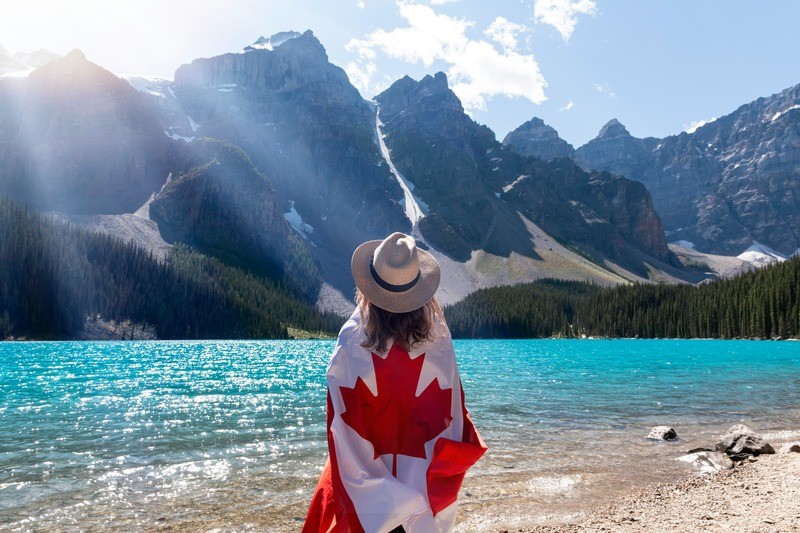 The plan aims to protect 1.6 million square kilometres of land and 700,000 square kilometres of ocean over the next four years.
The strategy also includes more than C$230 million to expand Indigenous Guardians programmes, as well as targeted investments to restore species such as Pacific and Atlantic salmon.
Additional funding will support the removal of abandoned fishing gear and conservation work in areas such as Wood Buffalo National Park.
As part of the plan, the government will introduce new tools, including environmental mapping and artificial intelligence, to identify biodiversity priorities and streamline project approvals while minimising ecological damage.
The government said in a statement that they plan to launch a task force in 2026 to develop frameworks for natural capital accounting and attract private sector investment into conservation, reflecting a broader global push to assign economic value to ecosystems.
The announcement comes as countries face mounting pressure to address biodiversity loss alongside climate change, with scientists warning that habitat destruction and environmental degradation are accelerating worldwide, as reported by Reuters.
Carney said the strategy aims to balance conservation with development, positioning Canada as a leader in sustainable resource management.