
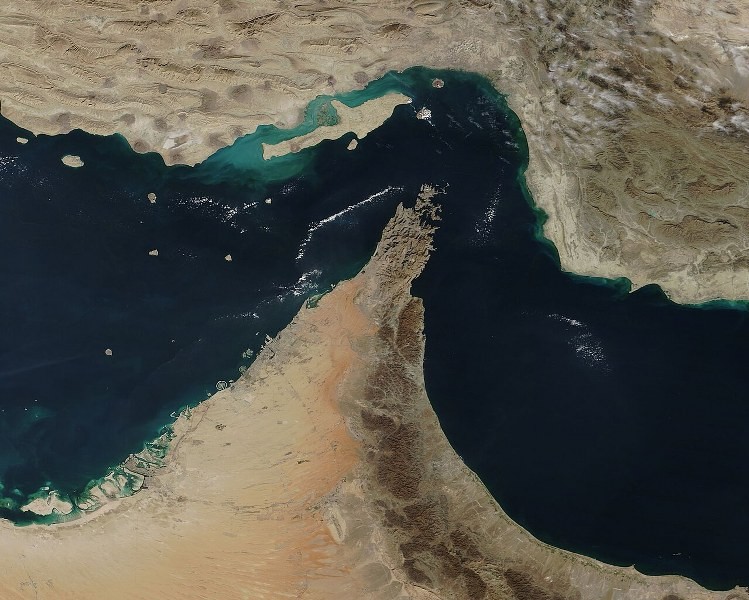
The move comes despite Iran’s earlier agreement to reopen the vital shipping route as part of the two-week truce with the United States.
The closure is being seen as a response to continued Israeli military operations in Lebanon.
Israel has intensified strikes against Hezbollah, reportedly killing over 100 people and injuring hundreds—drawing sharp protests from Iran.
Netanyahu backs ceasefire, draws red line on Lebanon
Israeli Prime Minister Benjamin Netanyahu voiced support for the US-Iran ceasefire but made clear it does not apply to Lebanon.
In public statements, he said Israel backs Trump’s pause on Iran—provided Tehran opens Hormuz and halts attacks—but stressed that operations against Hezbollah would continue.
Lebanon conflict ‘separate’: Trump
Trump also defended Israel’s ongoing strikes, stating that Hezbollah was not part of the ceasefire framework.
“They were not included in the deal… That’s a separate skirmish,” he said in an interview, signalling US backing for Israel’s actions in Lebanon.
Ceasefire terms already under pressure
The two-week ceasefire had included Iran’s commitment to reopen the Strait of Hormuz—a critical corridor for global oil shipments.
The sudden closure now raises serious concerns about:
- The viability of the truce
- The risk of wider regional escalation
- Potential disruptions to global energy supplies
- Tensions spill across the region
The developments highlight how the conflict is no longer confined to direct US-Iran tensions, with Israel–Hezbollah hostilities spilling over and complicating diplomatic efforts.
With key conditions already in flux, the situation underscores the fragility of the ceasefire and the growing risk of a broader regional crisis.